
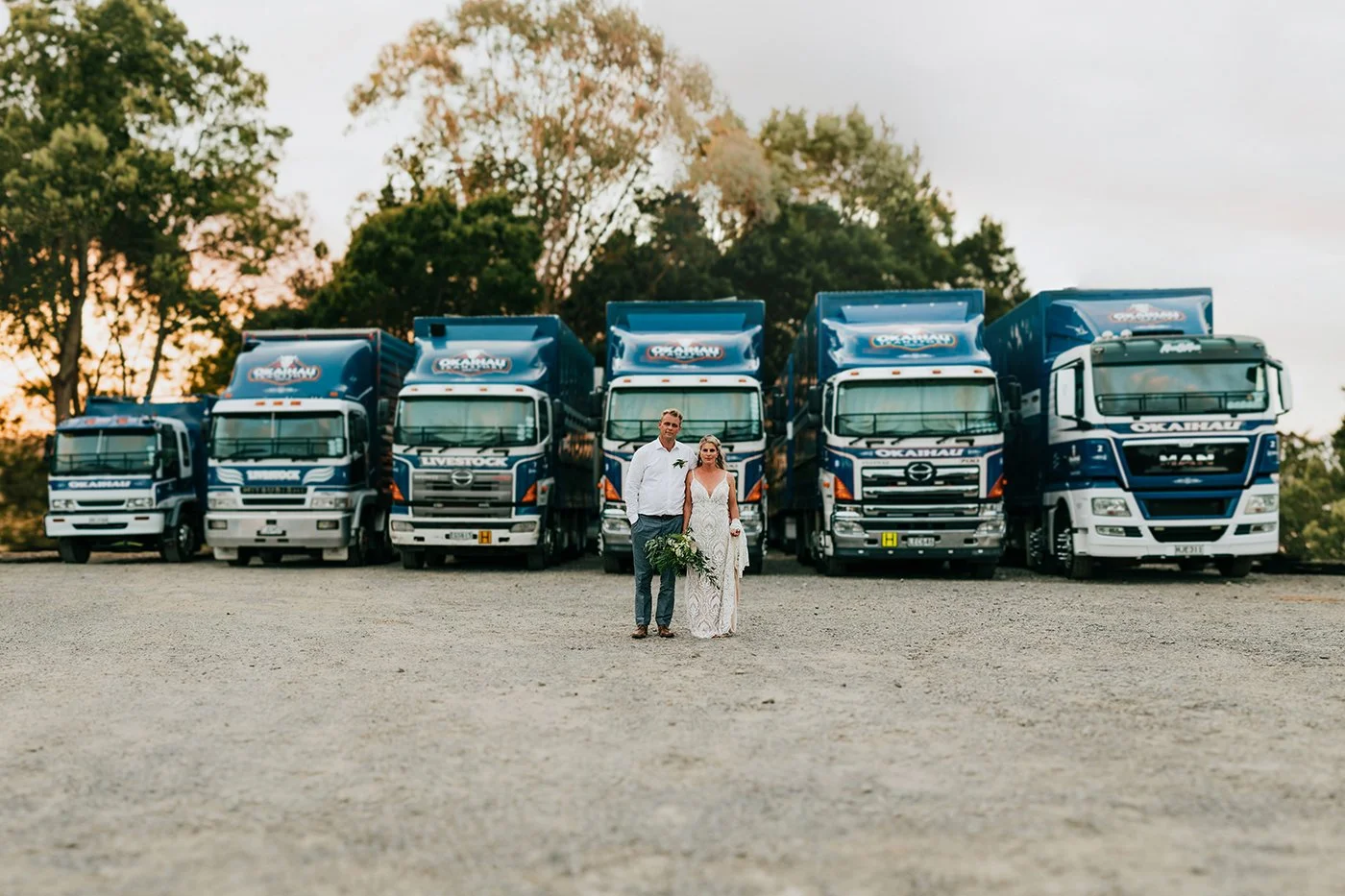
Bokeh Panoramas: Creating Something Different in Wedding Photography
A little creativity, a lot of frames, and a completely different perspective.
I'm always looking for ways to bring something a little different to my wedding photography. While beautiful light, genuine emotion and great composition will always be at the heart of what I do, I also love experimenting with techniques that allow me to create something a little more unusual.
One of those techniques is Bokeh Panorama photography, sometimes referred to as a Bokehrama.
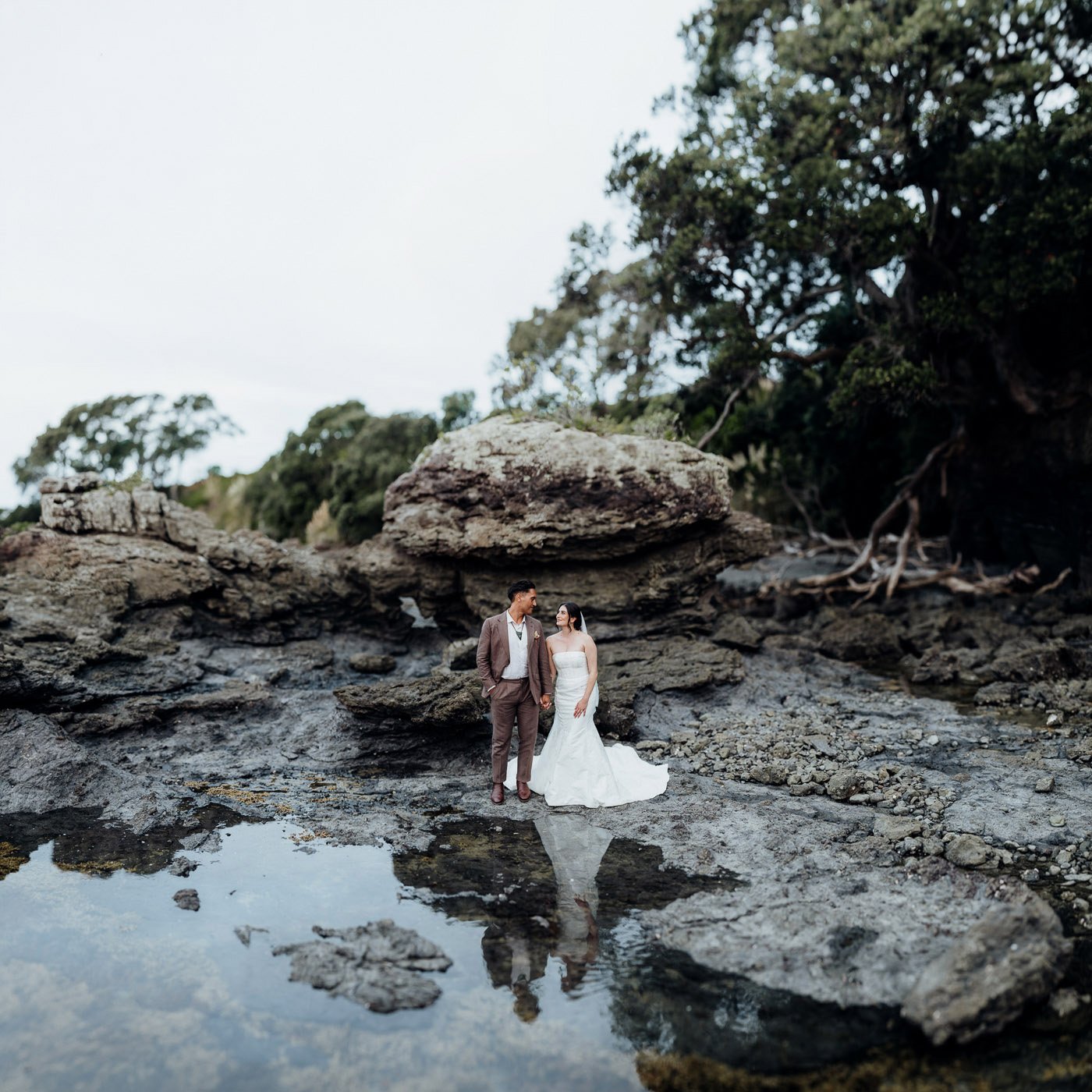
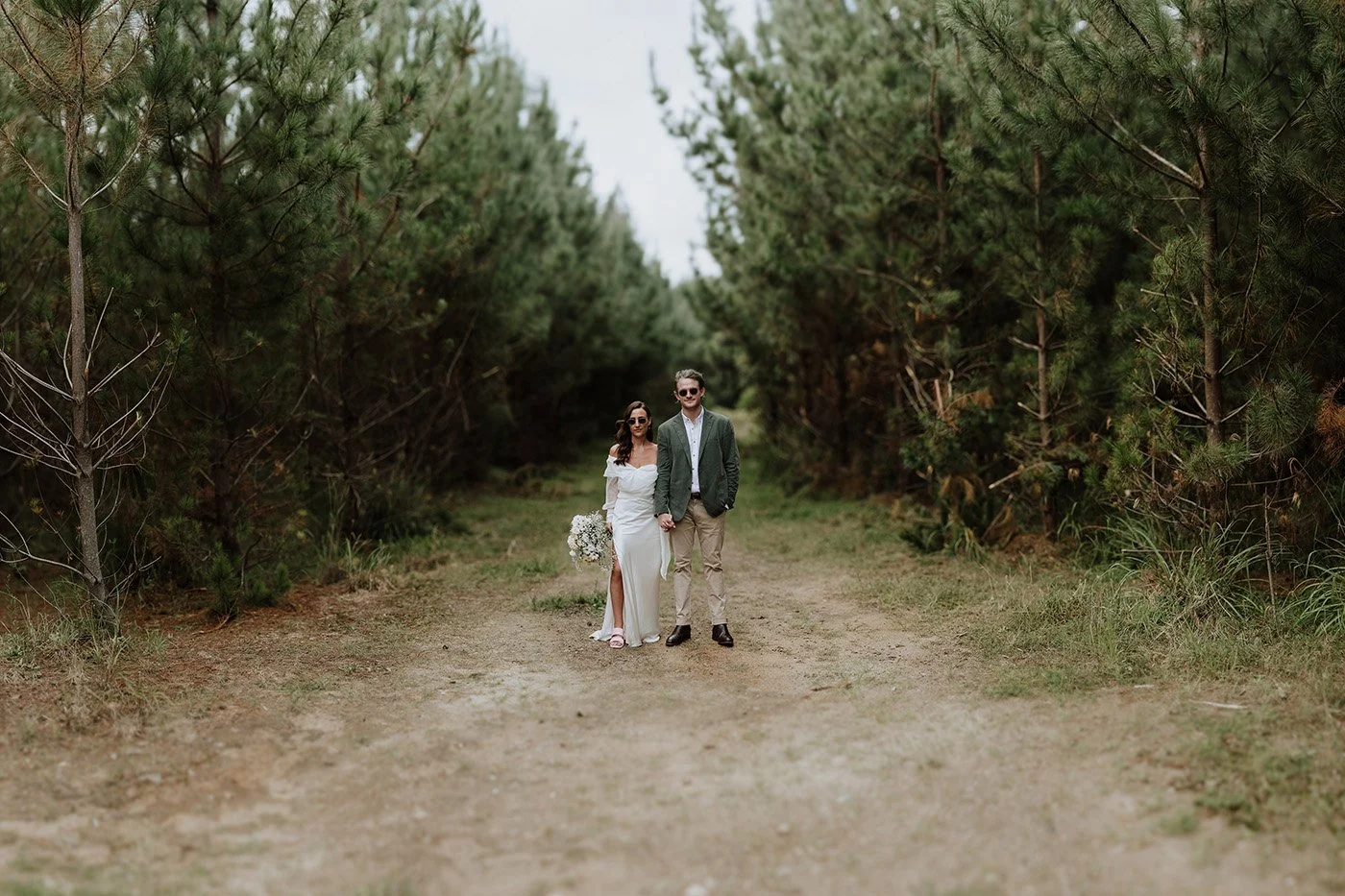
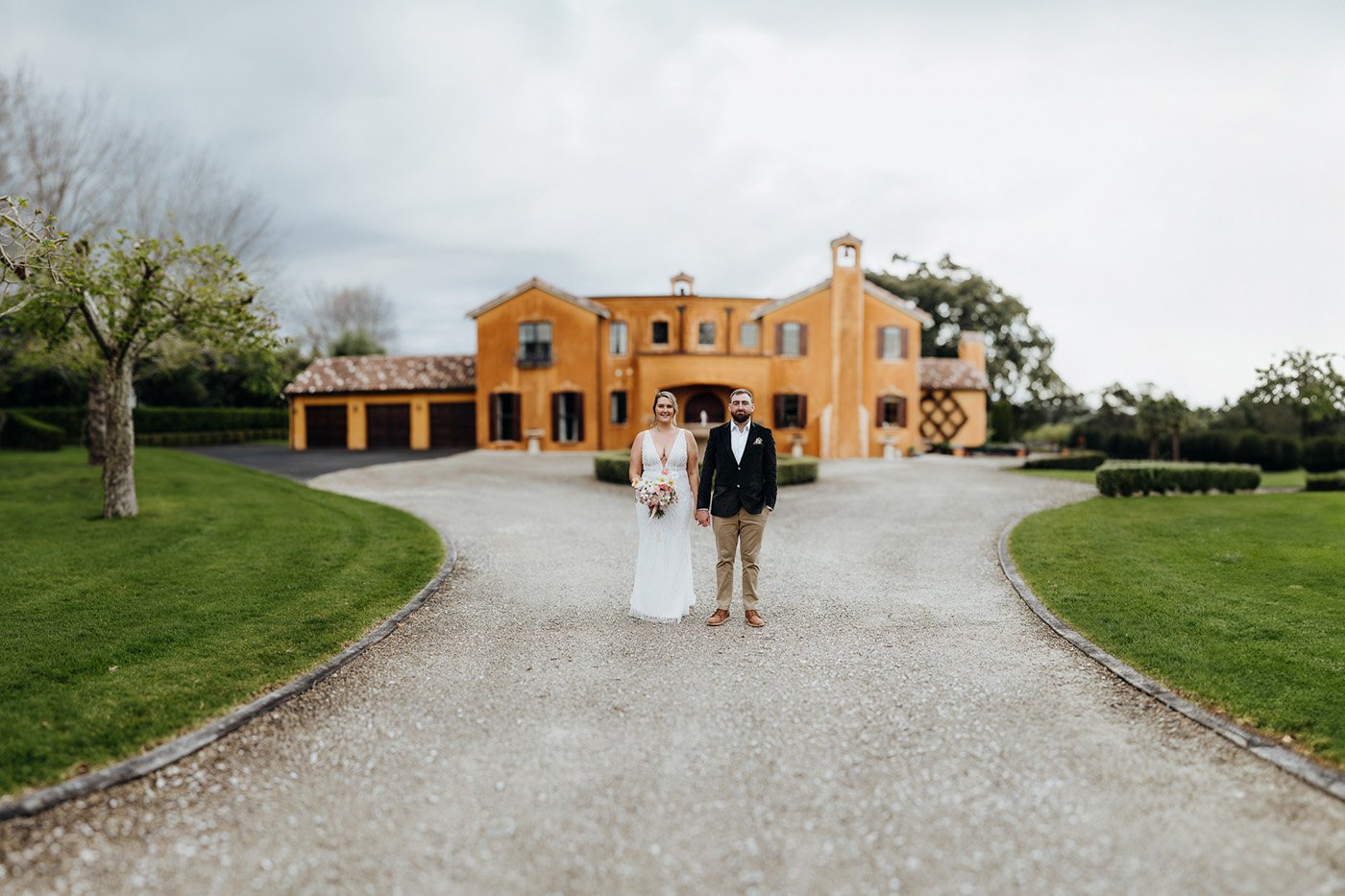
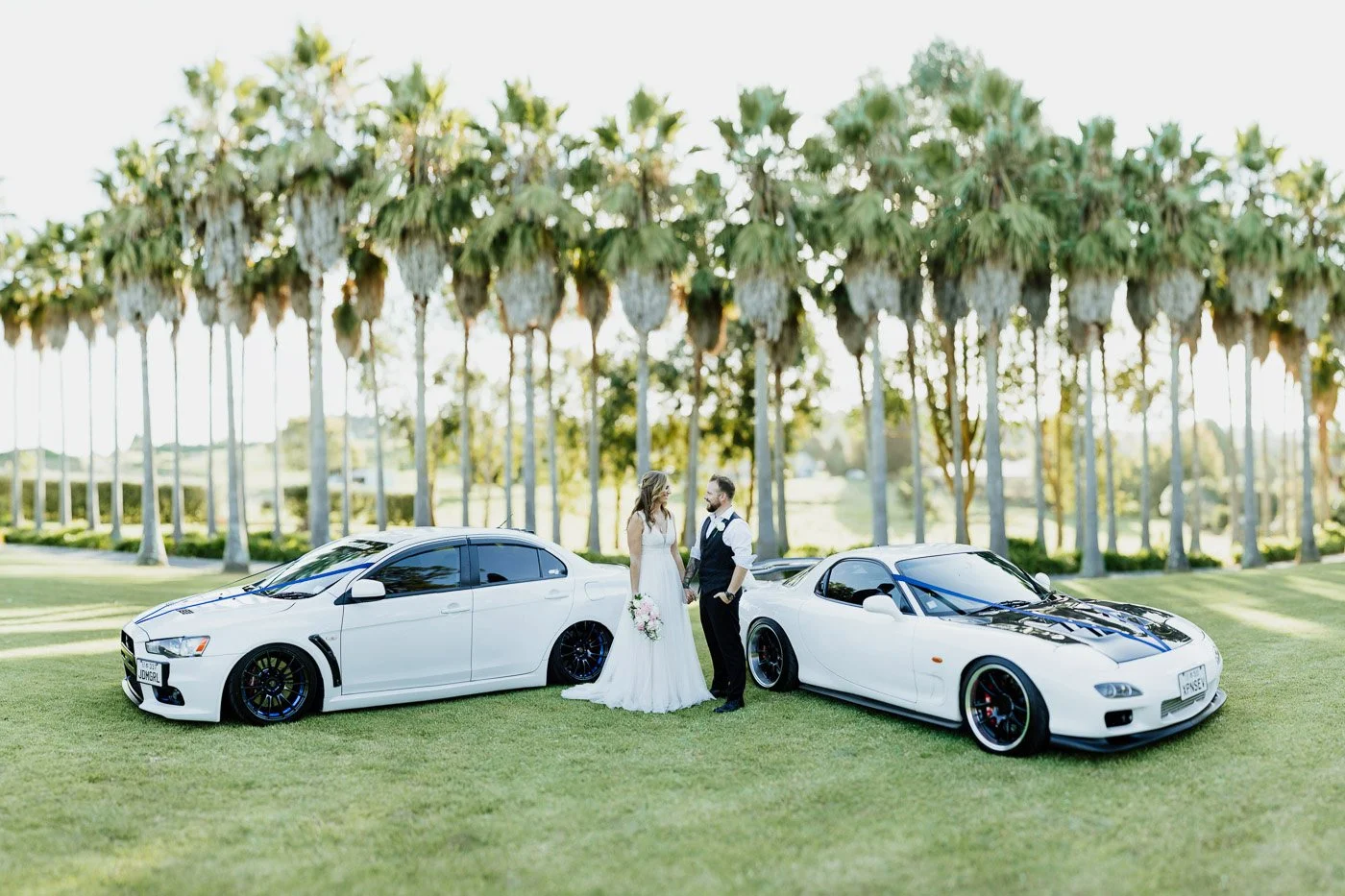
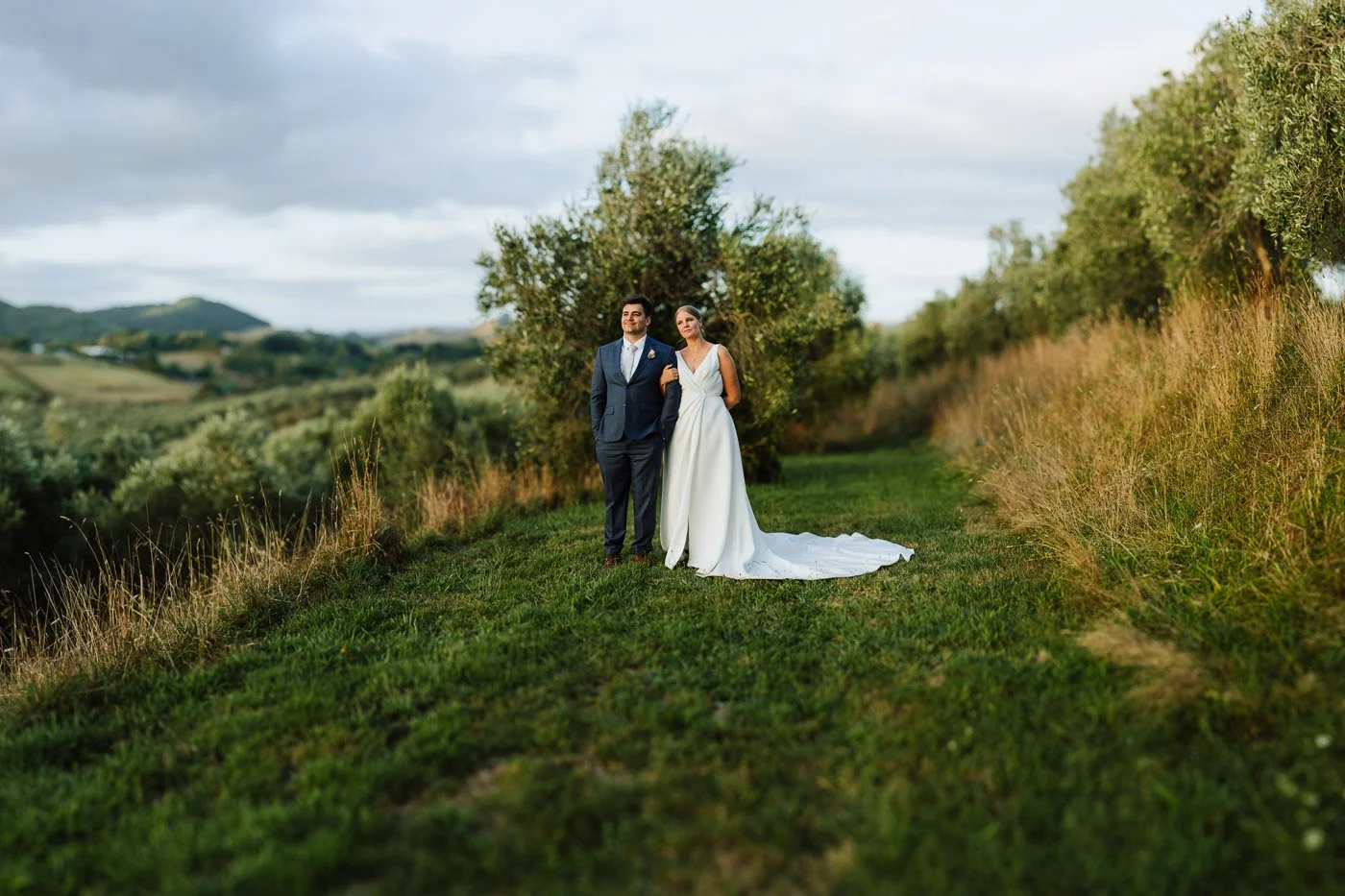
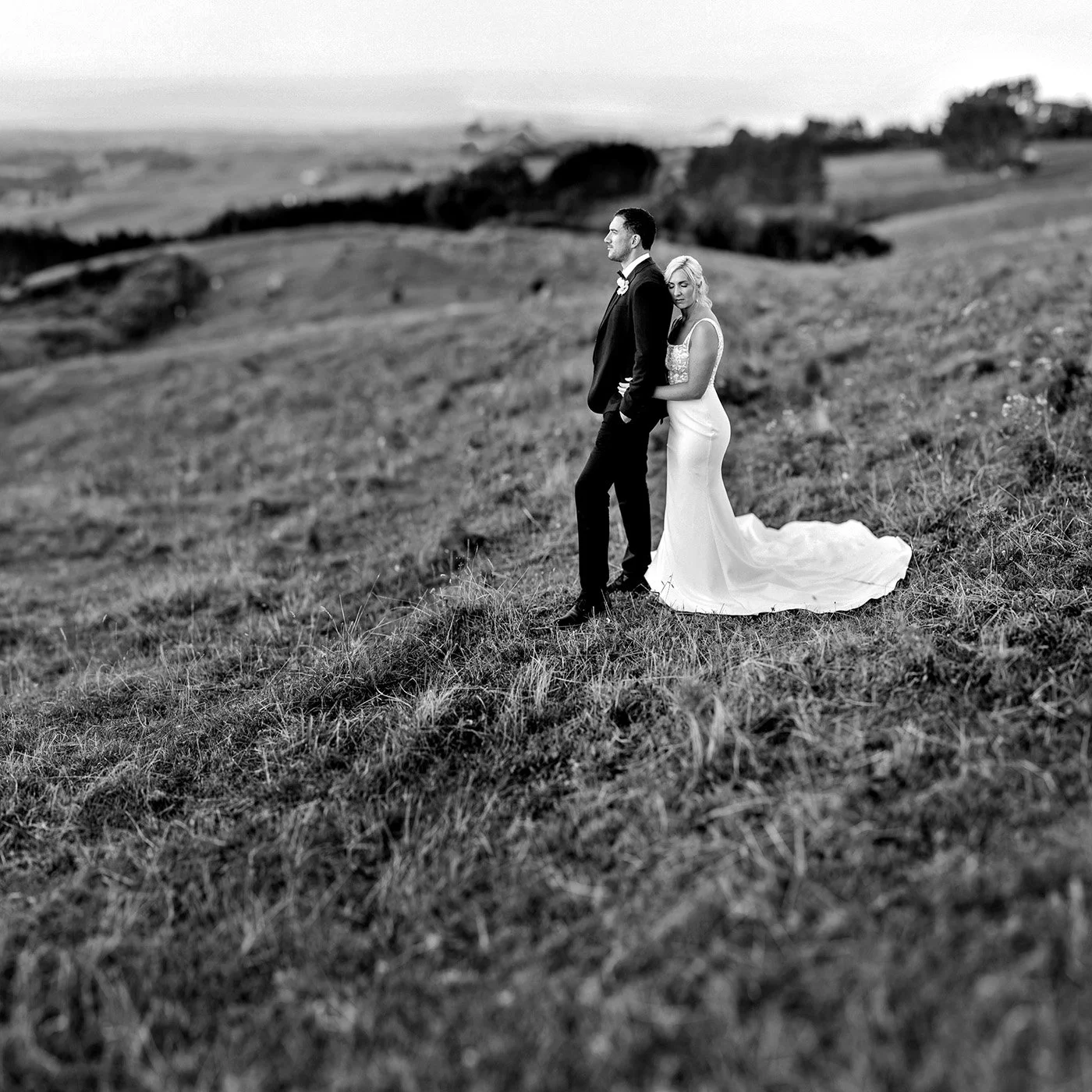
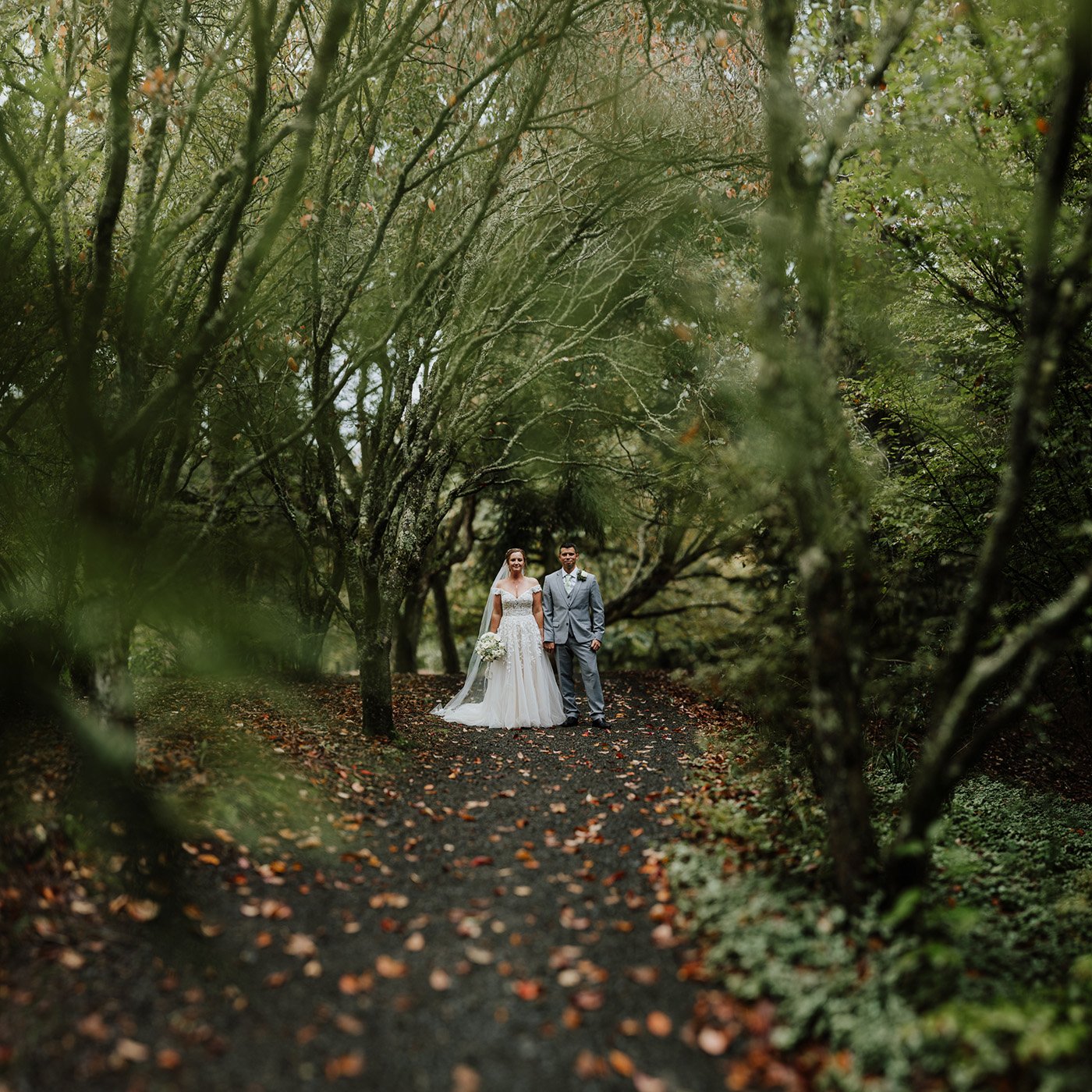
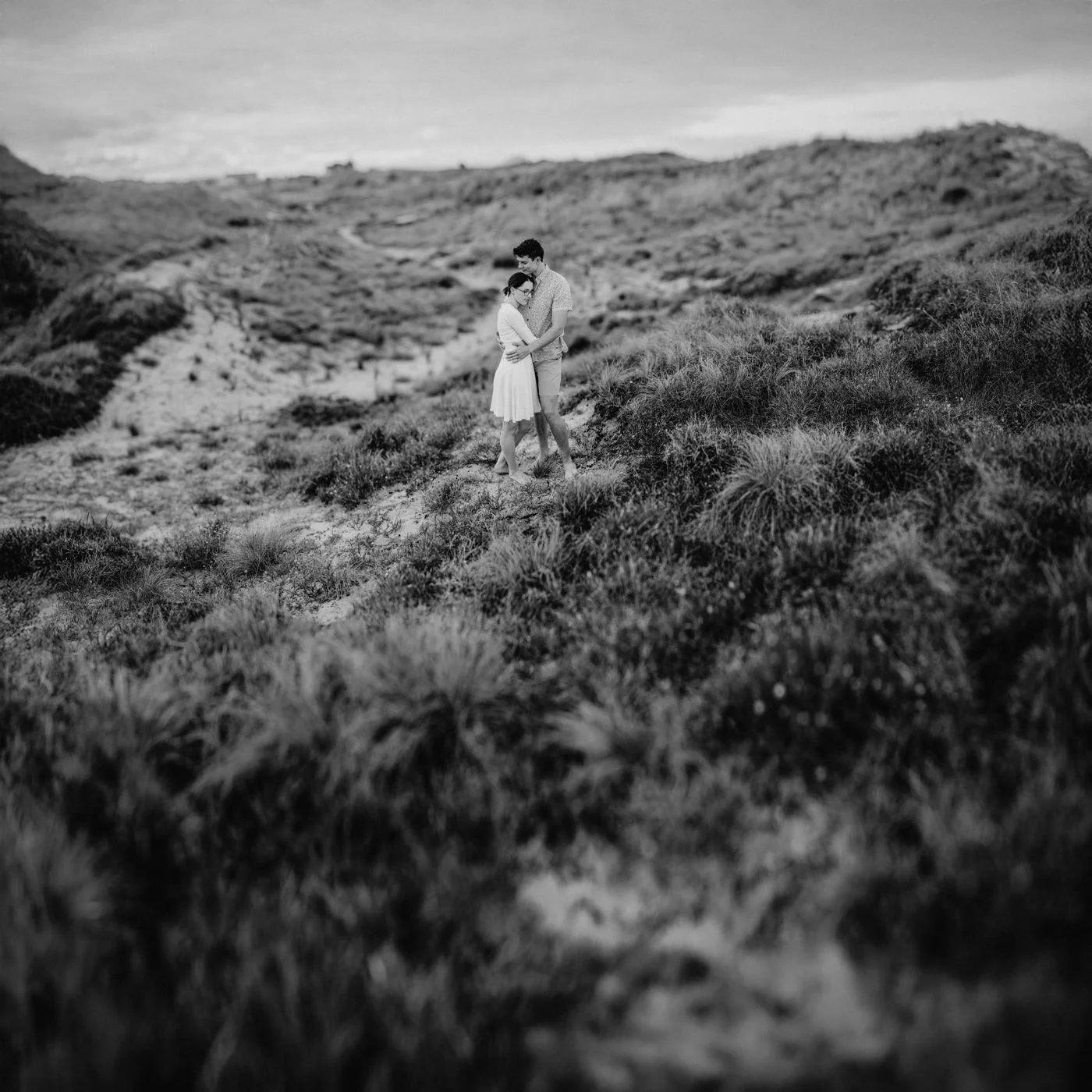
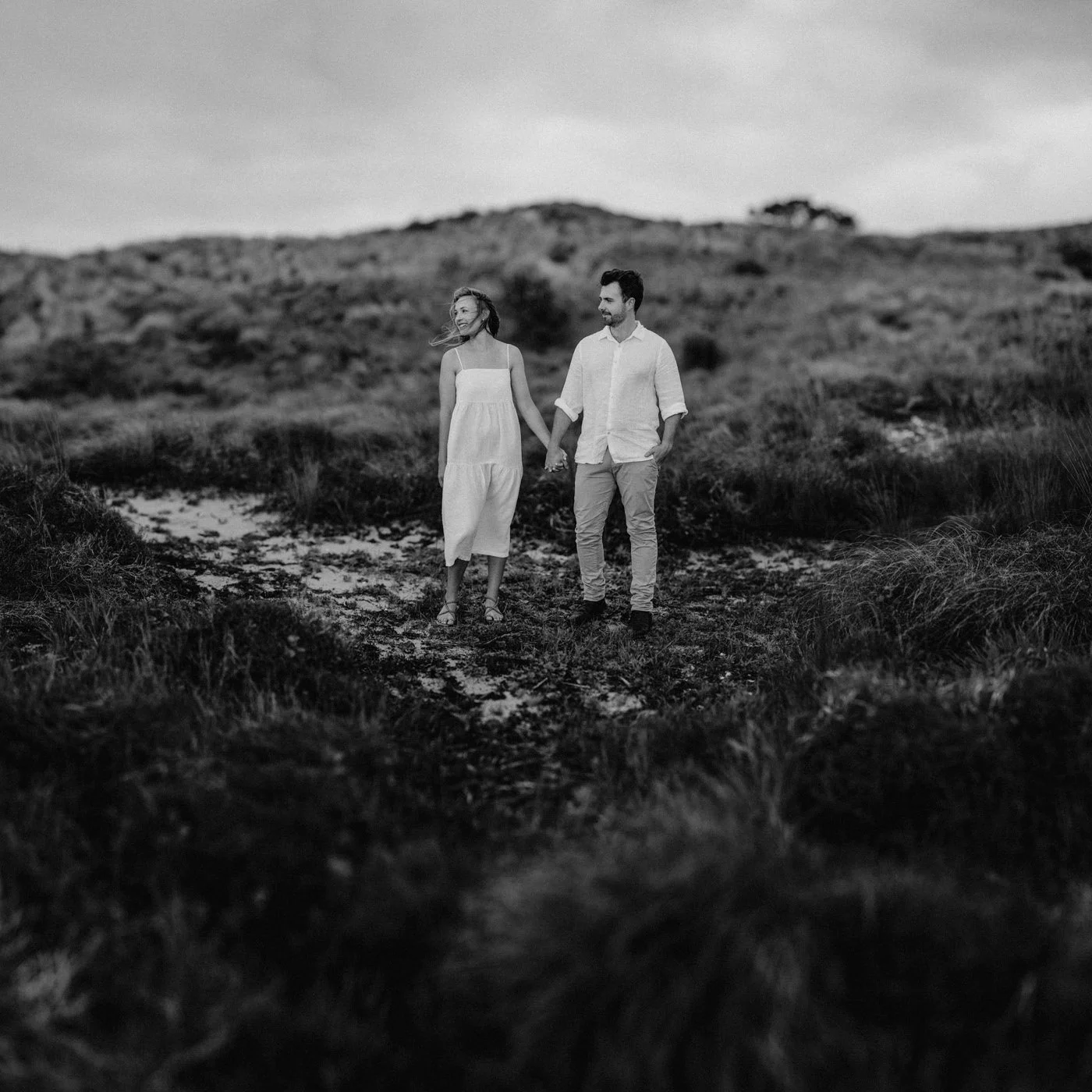
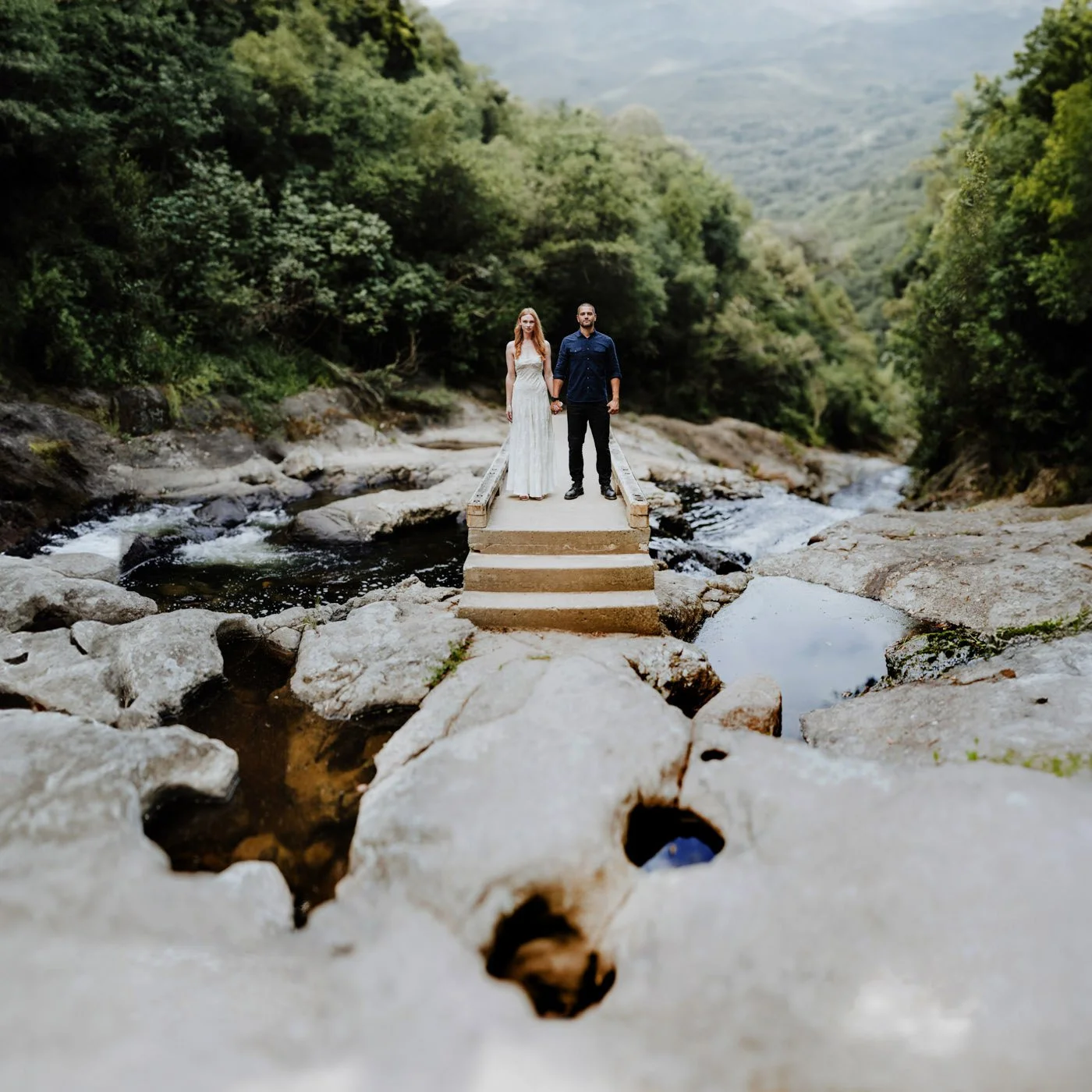
If you've browsed through my wedding photography over the years, you may have come across a few of these images. They're quite distinctive, often featuring a beautifully sharp subject surrounded by a wonderfully soft, blurred background, while still showing a much wider view of the environment.
They're a little different from your traditional wedding portrait, and that's exactly why I love creating them. It is however best viewed large, as we get far more appreciation for the final result when it’s viewed on a larger screen.
Recently, I’ve gone a step beyond and started creating something I’ve named the Unstitched Bokeh Panorama:
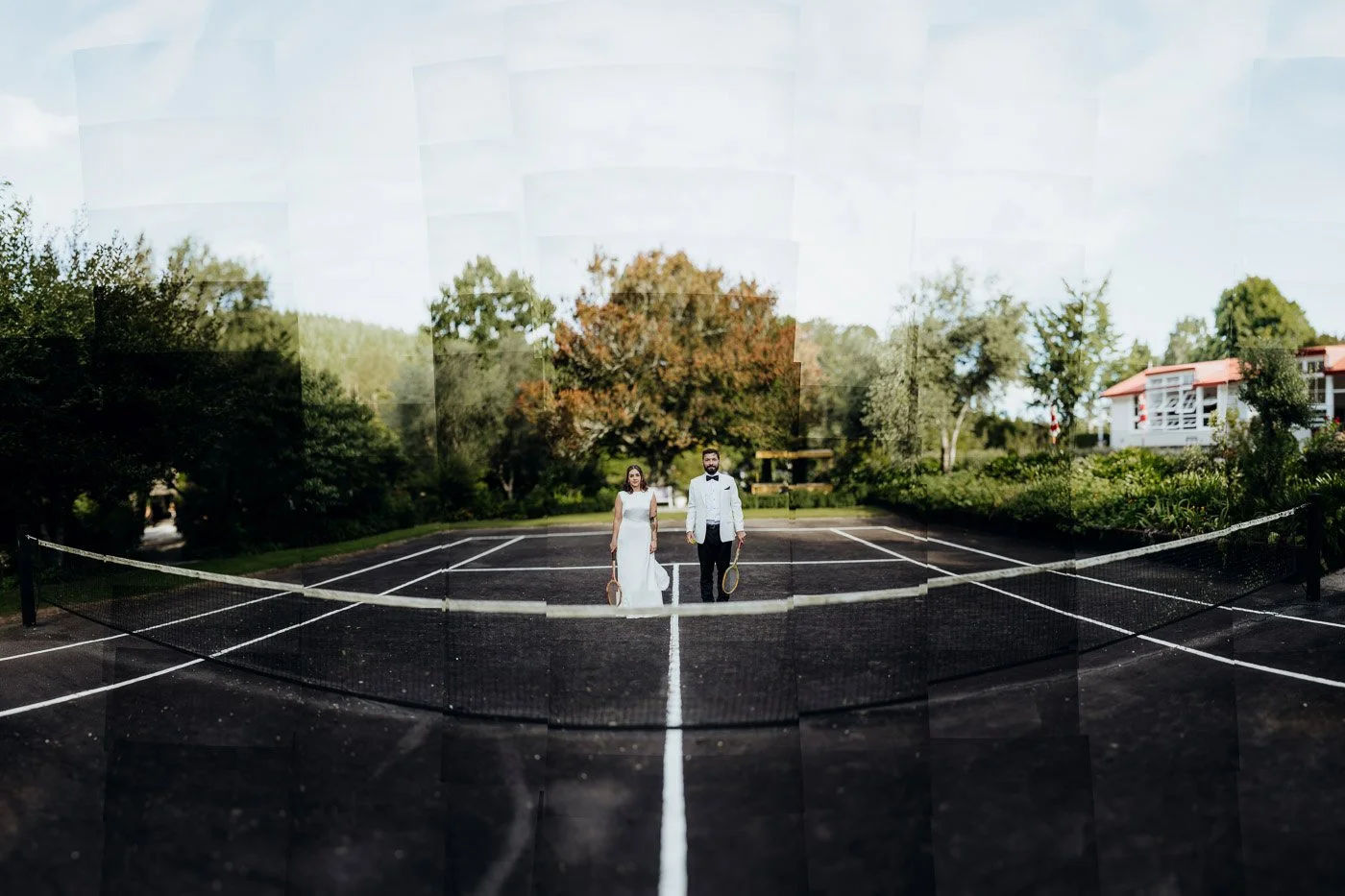
UNSTITCHED BOKEH PANORAMA
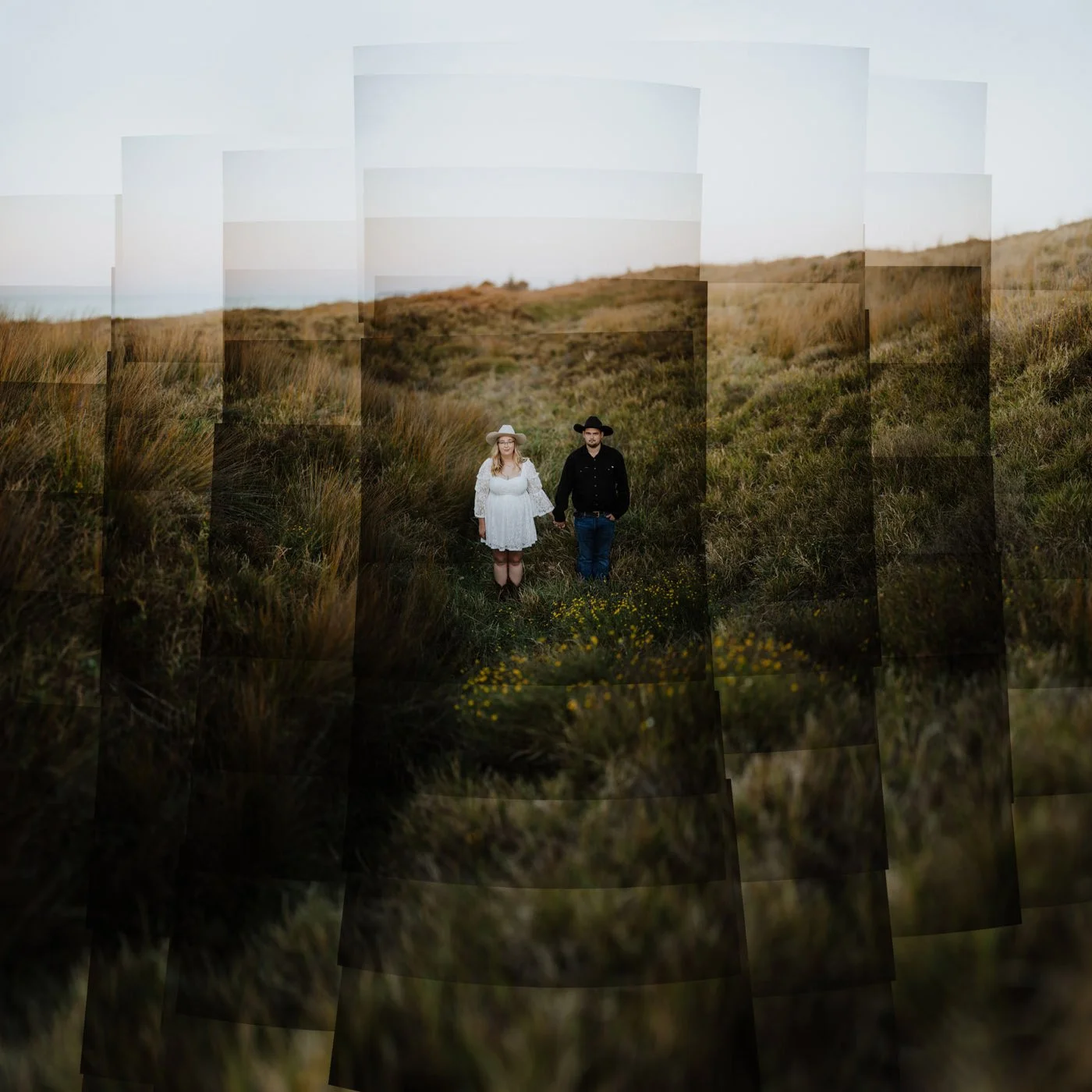
UNSTITCHED BOKEH PANORAMA
What exactly is a Bokeh Panorama?
In simple terms, a Bokeh Panorama is created by photographing a scene in multiple individual frames and then stitching those photographs together in post-production to create one larger image.
Rather than taking a single photograph with a wide-angle lens, I use a longer focal length lens, with a very wide aperture, to photograph different sections of the scene. These individual frames overlap and are eventually combined to create one seamless photograph.
The magic is in the combination.
By using a longer lens and a wide aperture, I can retain that beautiful shallow depth of field, with the subject remaining sharp while the foreground and background fall away into soft, dreamy blur. By stitching multiple frames together, I can also create a much wider field of view than I could comfortably capture in a single frame using that same longer lens.
Essentially, I'm combining two things that are usually difficult to achieve together in a conventional photograph: a wide perspective and a very shallow depth of field.
The result is an image with a wonderful sense of depth, dimension and atmosphere. It can have something of a large-format photographic look, but created using a much smaller camera system.
And because every finished image is assembled from multiple photographs, the final result can contain an incredible amount of detail and resolution.
It's more than just stitching photographs together
Although the concept might sound relatively straightforward, creating a successful Bokeh Panorama takes a fair amount of planning, patience and precision.
I need to consider my subject, composition, focal plane, lens choice, aperture and the surrounding environment before I even start shooting.
Once I've photographed my subject, I work my way around the scene, capturing all the additional areas needed to build the final image. It's important to maintain consistent focus and exposure, while ensuring that the individual frames overlap sufficiently for the software to stitch everything together.
And when I say multiple frames, I mean multiple frames!
For one of my own Bokeh Panorama examples, I used over 80 individual photographs to create a single finished image. Eighty! That's quite a lot of clicking for one photograph.
Once all the frames have been captured, the real work continues in post-production, where the individual photographs are carefully merged into one final composition.
It's a fairly involved process, but the results can be incredibly rewarding.
The Brenizer Method: Is it really the Brenizer Method?
You may have heard this technique referred to as the Brenizer Method. It's a name that's become particularly popular within wedding and portrait photography, largely thanks to American photographer Ryan Brenizer, who helped bring the technique into the spotlight and popularise it amongst photographers.
However, there's an interesting distinction worth making here.
Panoramic photography itself has been around since the earliest days of photography. Photographers were combining multiple photographic plates and individual exposures to create wider images long before digital cameras, Photoshop or the modern wedding photography industry ever existed.
The specific technique of combining multiple frames to create a wide image with shallow depth of field is also acknowledged to have been used by photographers before the name Brenizer Method became popular.
So, while Ryan Brenizer certainly deserves recognition for popularising and sharing the technique with a much wider photographic audience, he didn't invent panoramic photography or the broader concept of combining multiple images.
Personally, I prefer the term Bokeh Panorama. I think it describes exactly what the technique is: a panorama with beautiful bokeh and shallow depth of field.
And that's the terminology I've used when writing and teaching others about the process. (For anyone who is interested, I have done a tutorial on this for the NZIPP)
Bringing a different creative perspective to wedding photography
One of the things I enjoy most about photography is that there's always room to experiment.
Wedding photography is an incredibly creative industry, but it's also easy to fall into familiar patterns. Certain poses, compositions, lighting techniques and approaches become popular, and before long, photographers everywhere are producing very similar-looking images.
There's absolutely nothing wrong with taking inspiration from other photographers. In fact, I think it's an important part of developing your own creative style.
But I also believe in pushing things a little further.
I'm always looking for opportunities to introduce something different into my work. Whether that's experimenting with unusual compositions, playing with light, creating panoramic images or finding an entirely new way to photograph a familiar scene, I love exploring what's possible.
My Bokeh Panoramas are a great example of this.
They're not something I necessarily create at every wedding, nor do I want them to become a gimmick or a box that needs ticking. Instead, I look for the right opportunities where the surroundings, the couple and the light all come together to create something worth experimenting with.
Sometimes that means creating a beautiful environmental portrait that incorporates the surrounding landscape. Other times, it's about isolating a couple within a scene while still allowing the environment to become part of the story.
The result is something that feels a little more artistic, a little more unexpected and, hopefully, a little more memorable.
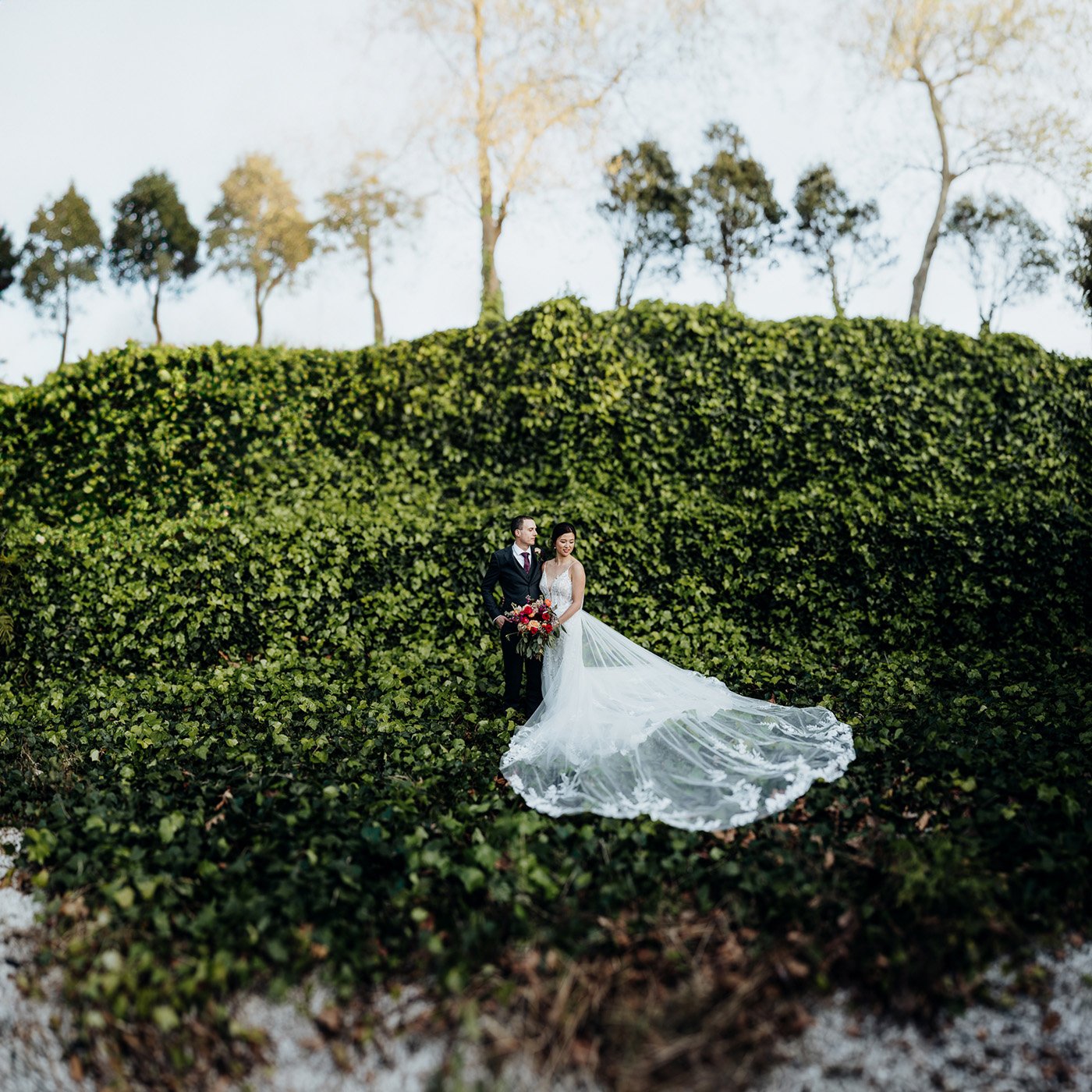
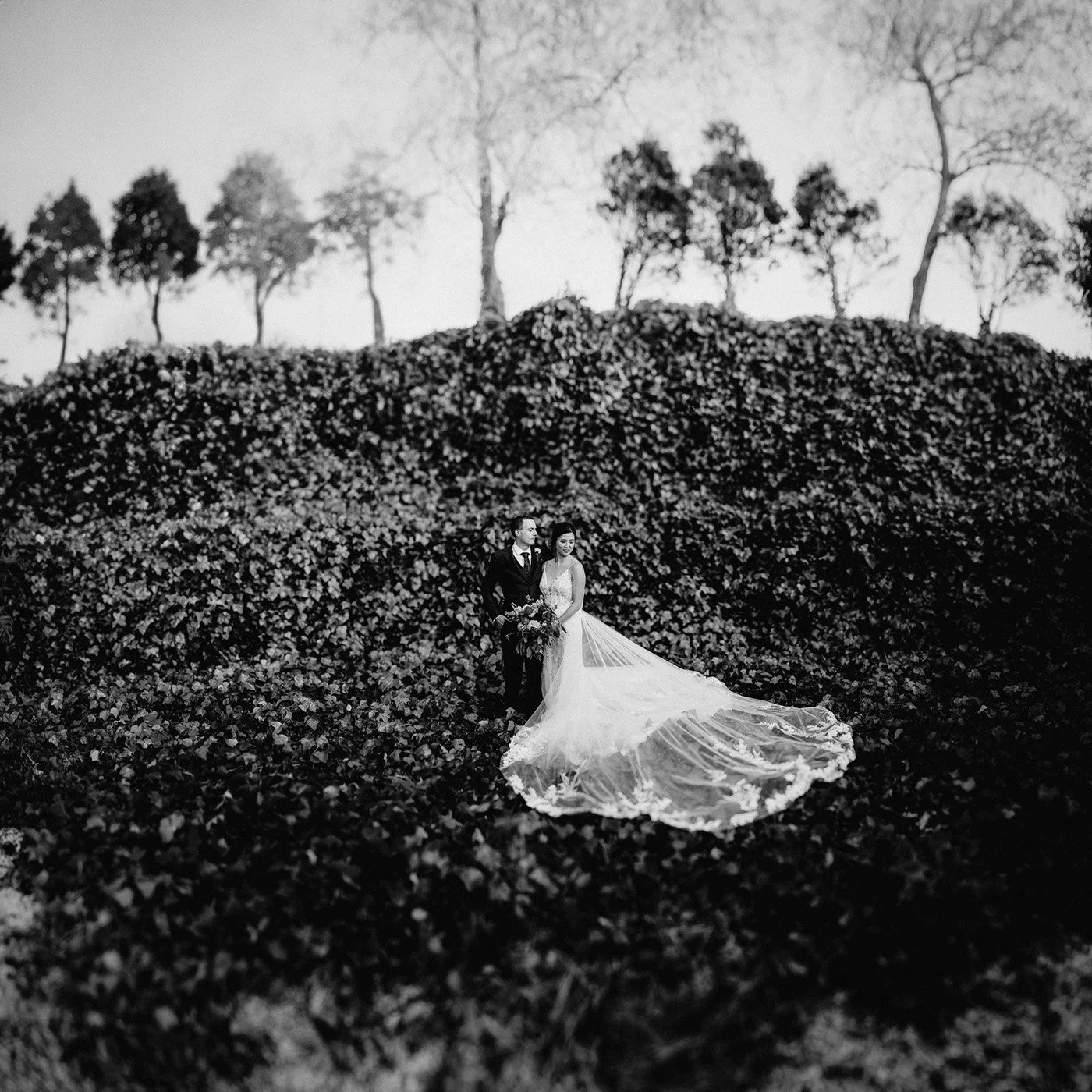
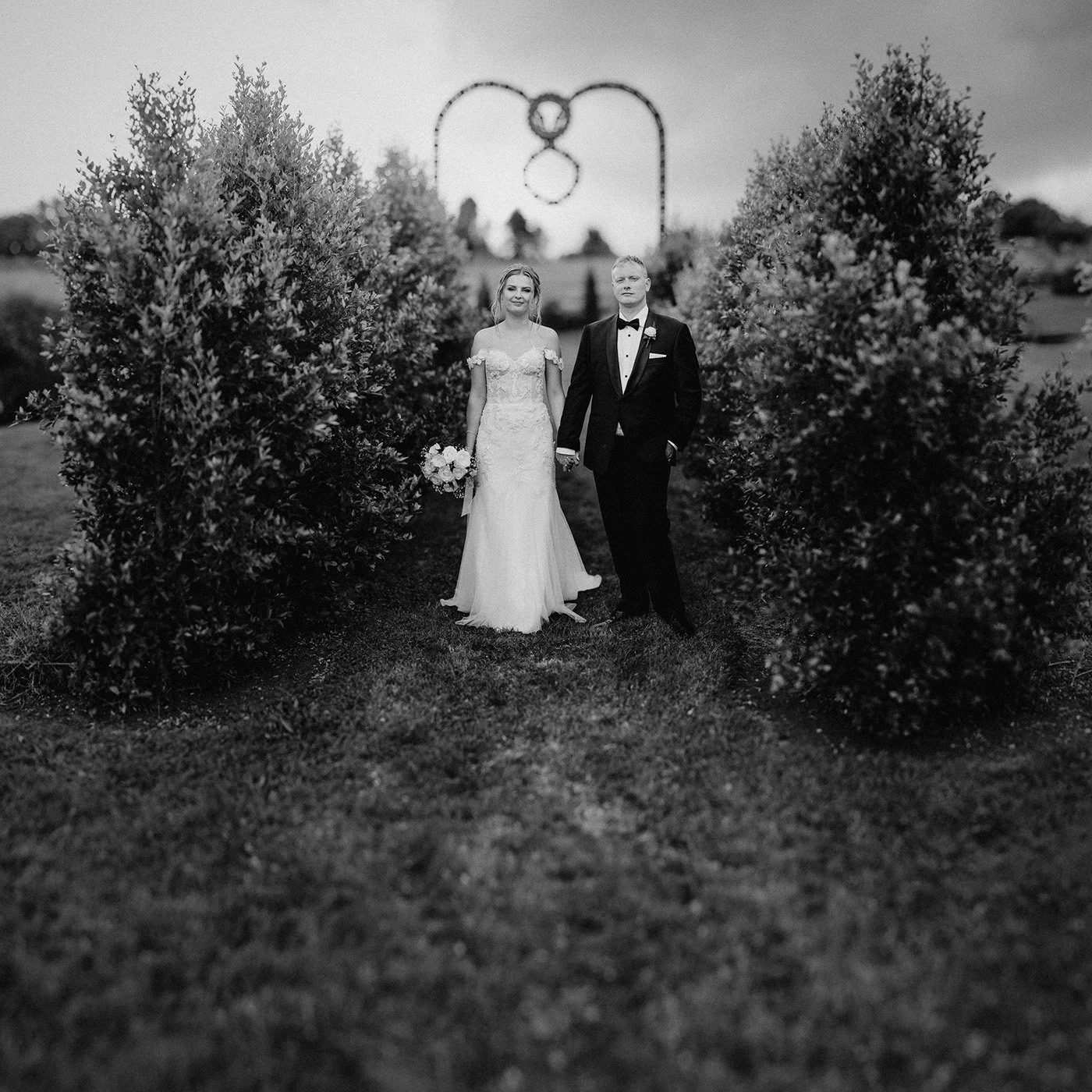
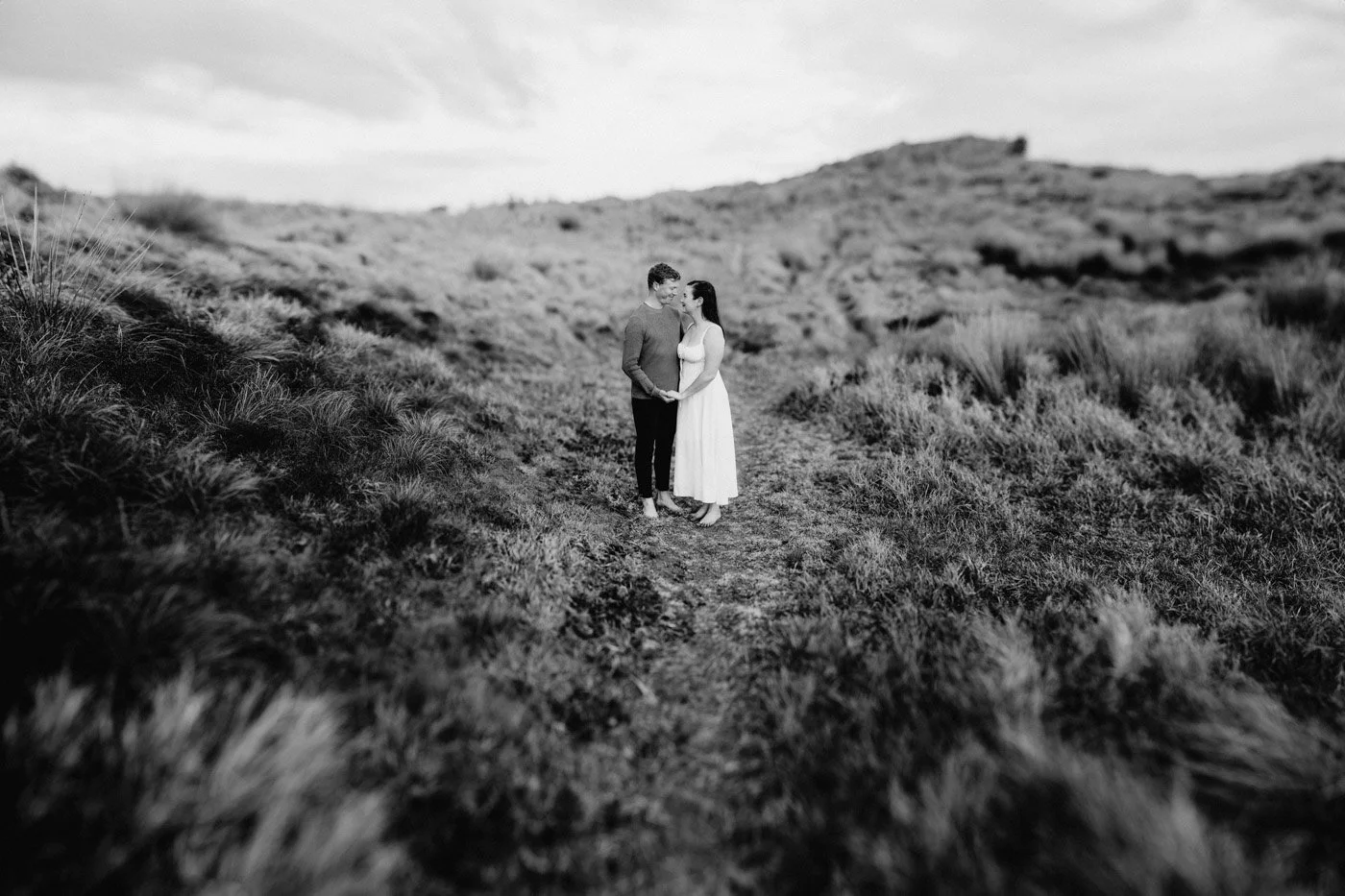
There are a few challenges at times - like deciding where to put the couple (in the middle is often most powerful). But also, whether I go with a square 1:1 ratio, or a standard 3:2 ratio, or Instagram’s favourite; the 4:5 ratio! Sometimes, it’s just hard to choose whether to go with colour or B&W, so I end up doing both:
A wedding photograph that looks a little different
Ultimately, I want couples to receive a collection of photographs that tells the story of their wedding day in a way that's personal, creative and meaningful.
I love documentary photography and capturing genuine, unscripted moments. I love beautiful portraits, interesting light and those fleeting interactions that make every wedding unique.
But I also love creating images that make people stop and look twice.
Bokeh Panoramas allow me to bring another creative dimension into my wedding photography. They offer a different perspective, a unique visual style and an opportunity to create something that isn't quite possible with a conventional single-frame photograph.
After many years behind the camera, I'm still excited by the possibilities of photography. There's always something new to try, another idea to explore and another way to look at the world through a lens.
And that's exactly how I like it.
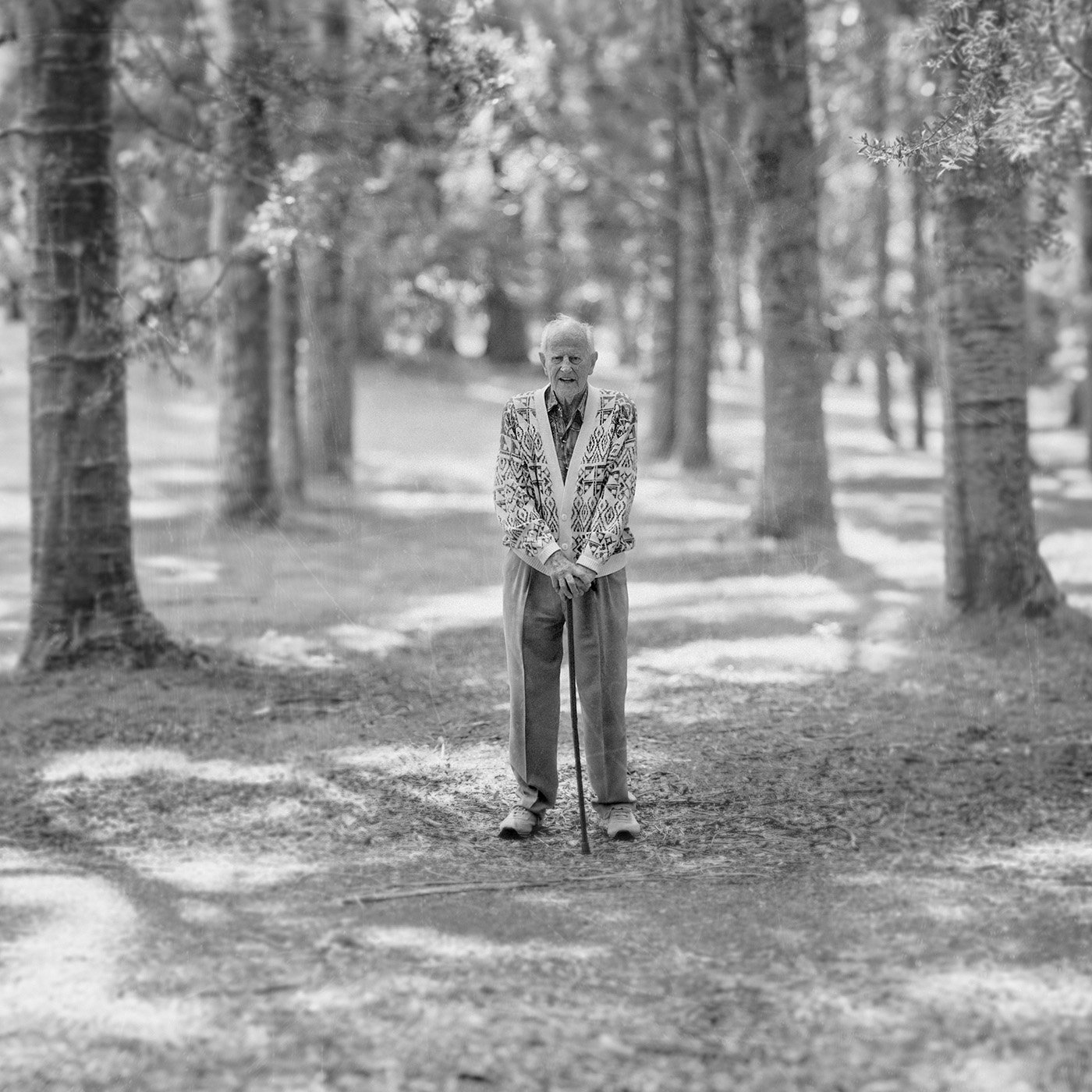
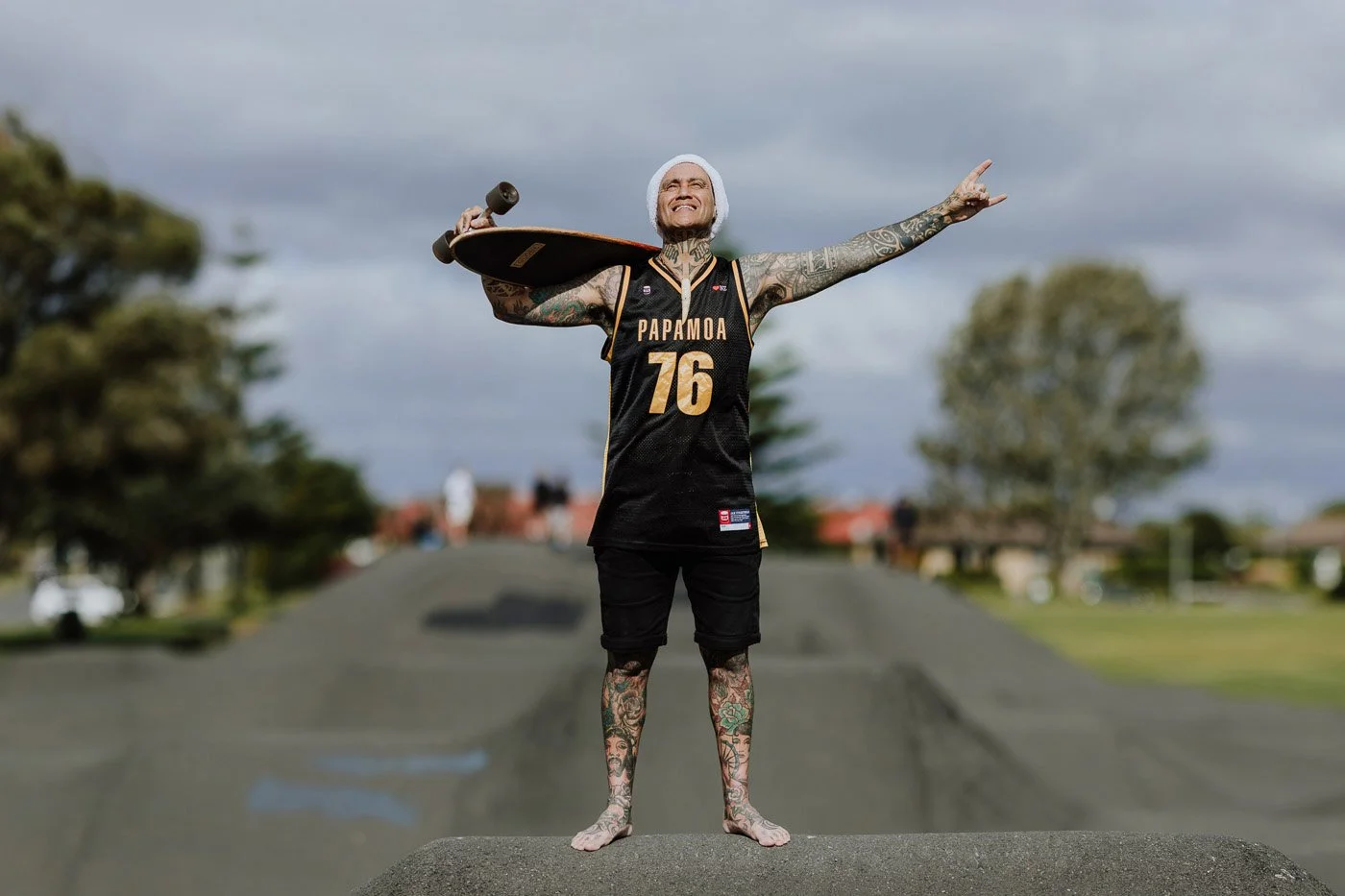
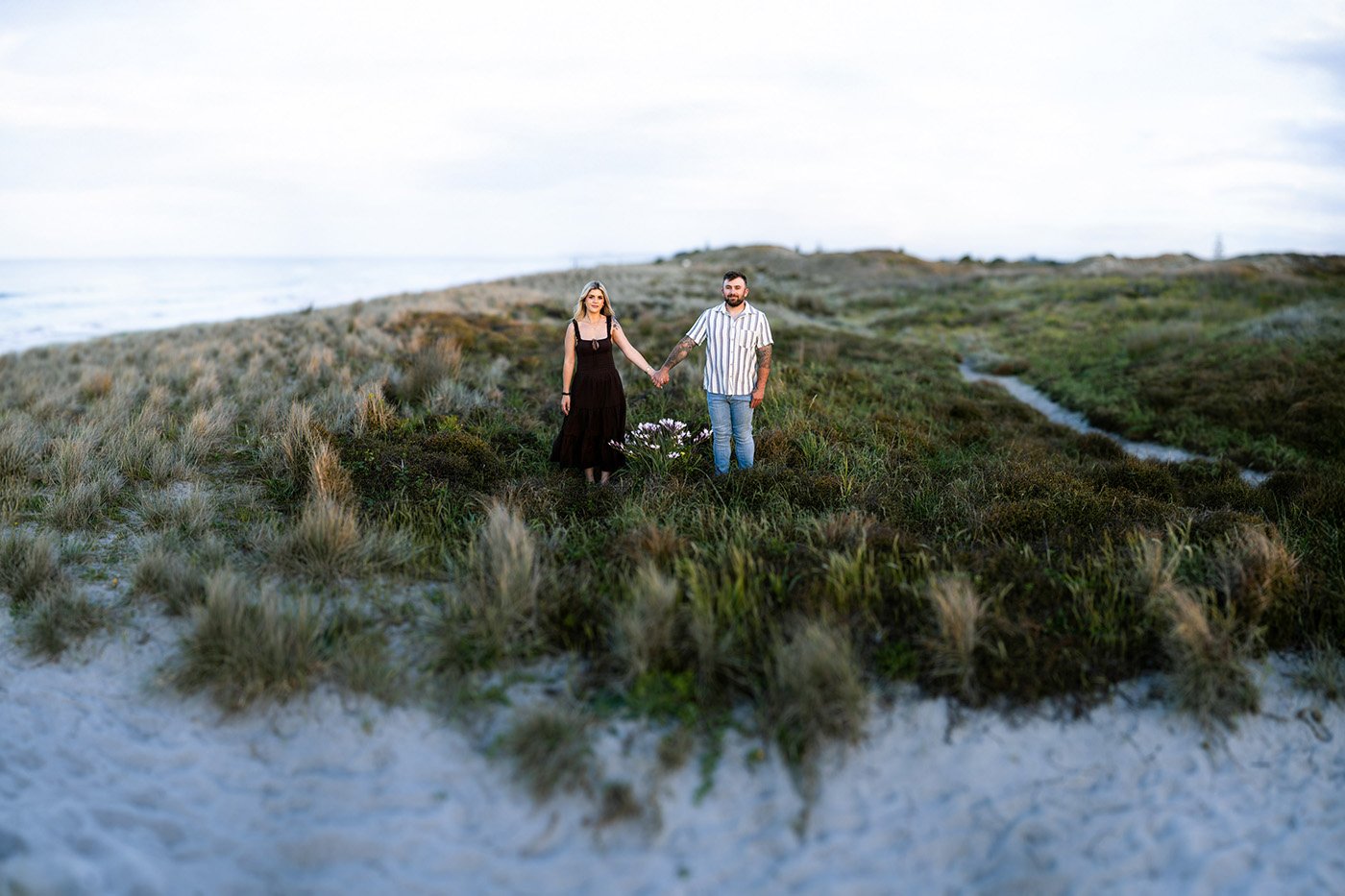
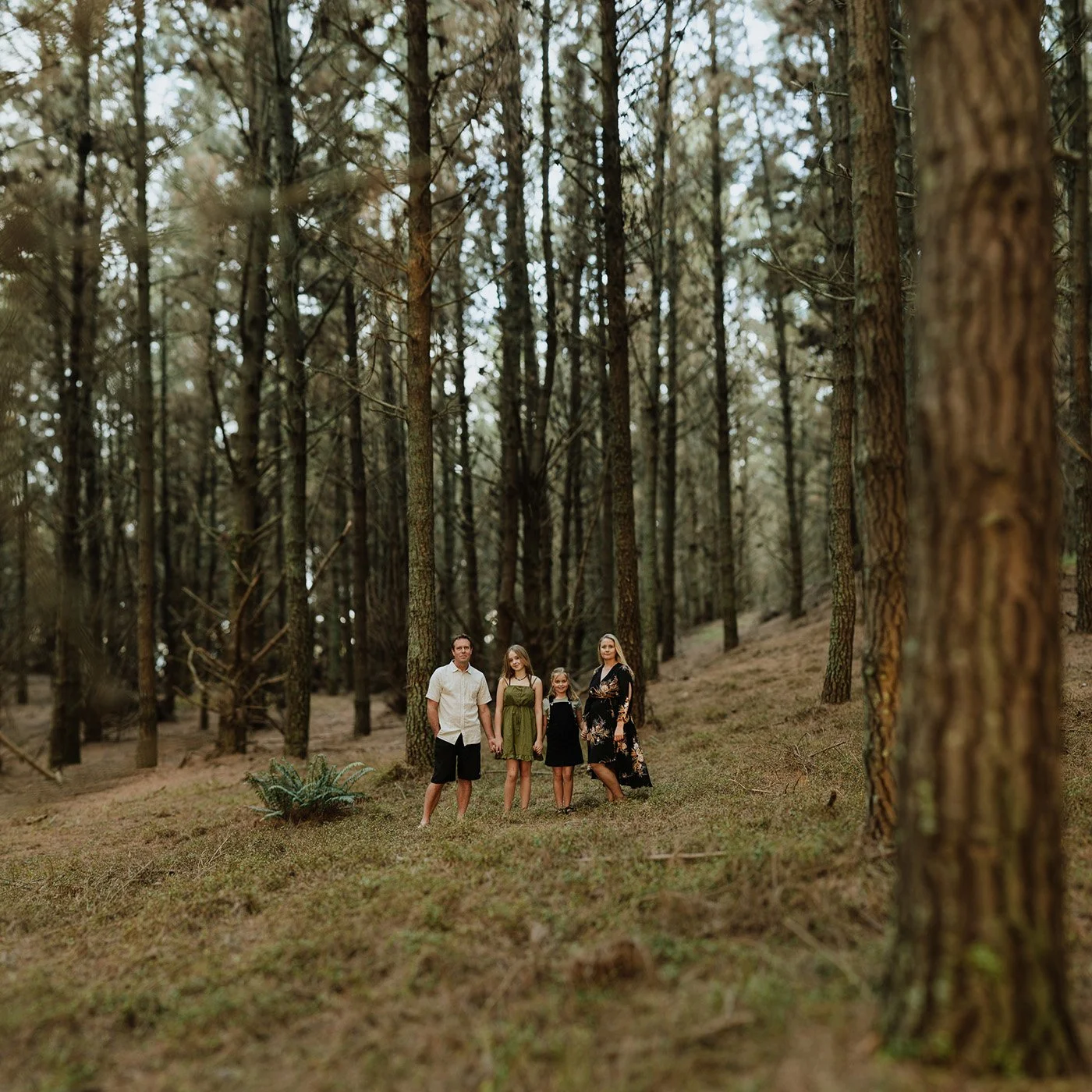
It’s not just weddings that I focus on though. I also create them sometimes during couple & family shoots, and general portraiture. This is one of my favourites, which was created many years ago:
Looking for wedding photography that's a little different?
If you appreciate creativity, beautiful imagery and photographs that go beyond the expected, I'd love to hear about your wedding plans.
I'm Justin Aitken, an NZIPP Grand Master and award-winning New Zealand wedding photographer based in Tauranga, photographing weddings throughout the Bay of Plenty and across New Zealand.
You can explore more of my work and get in touch at justinaitken.com.
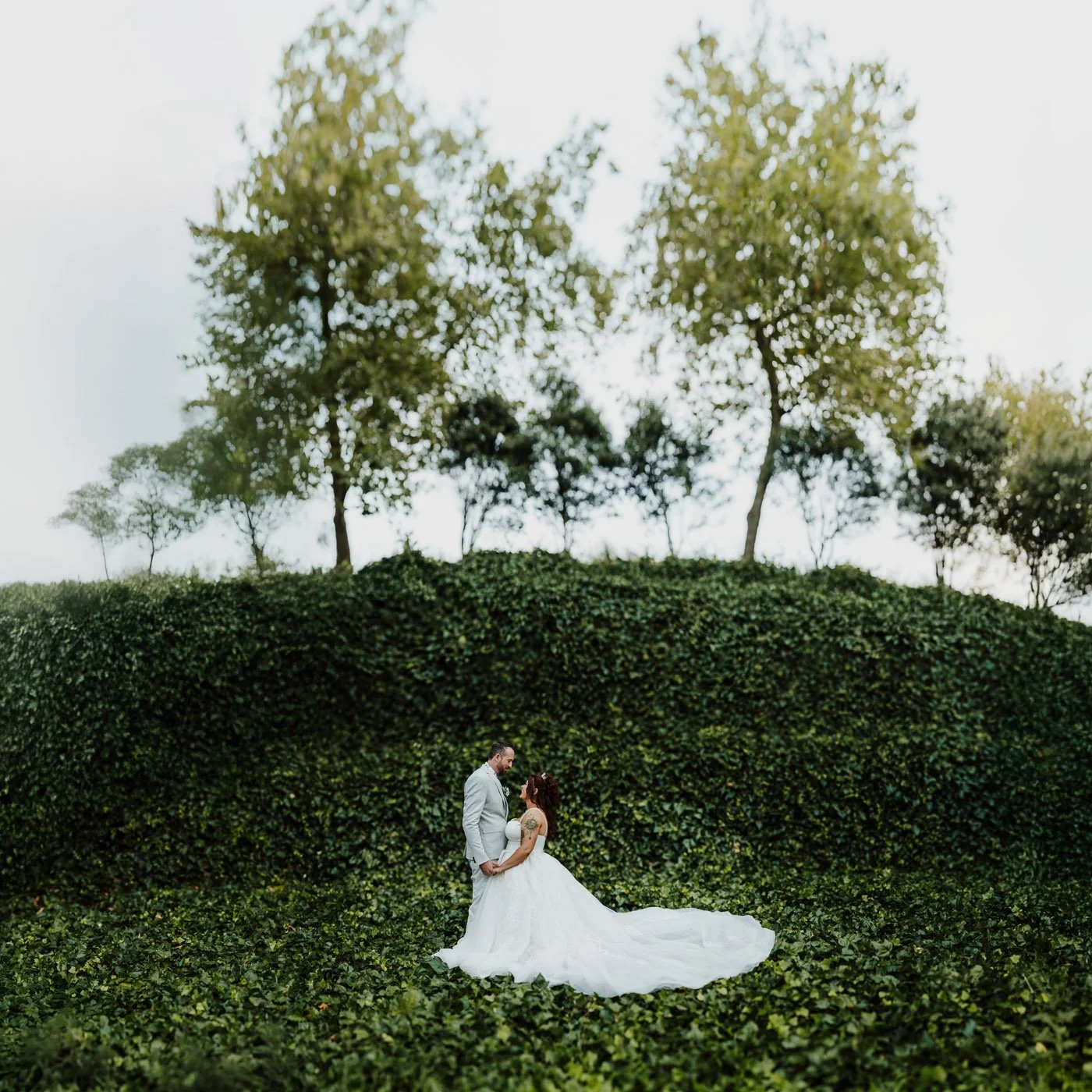
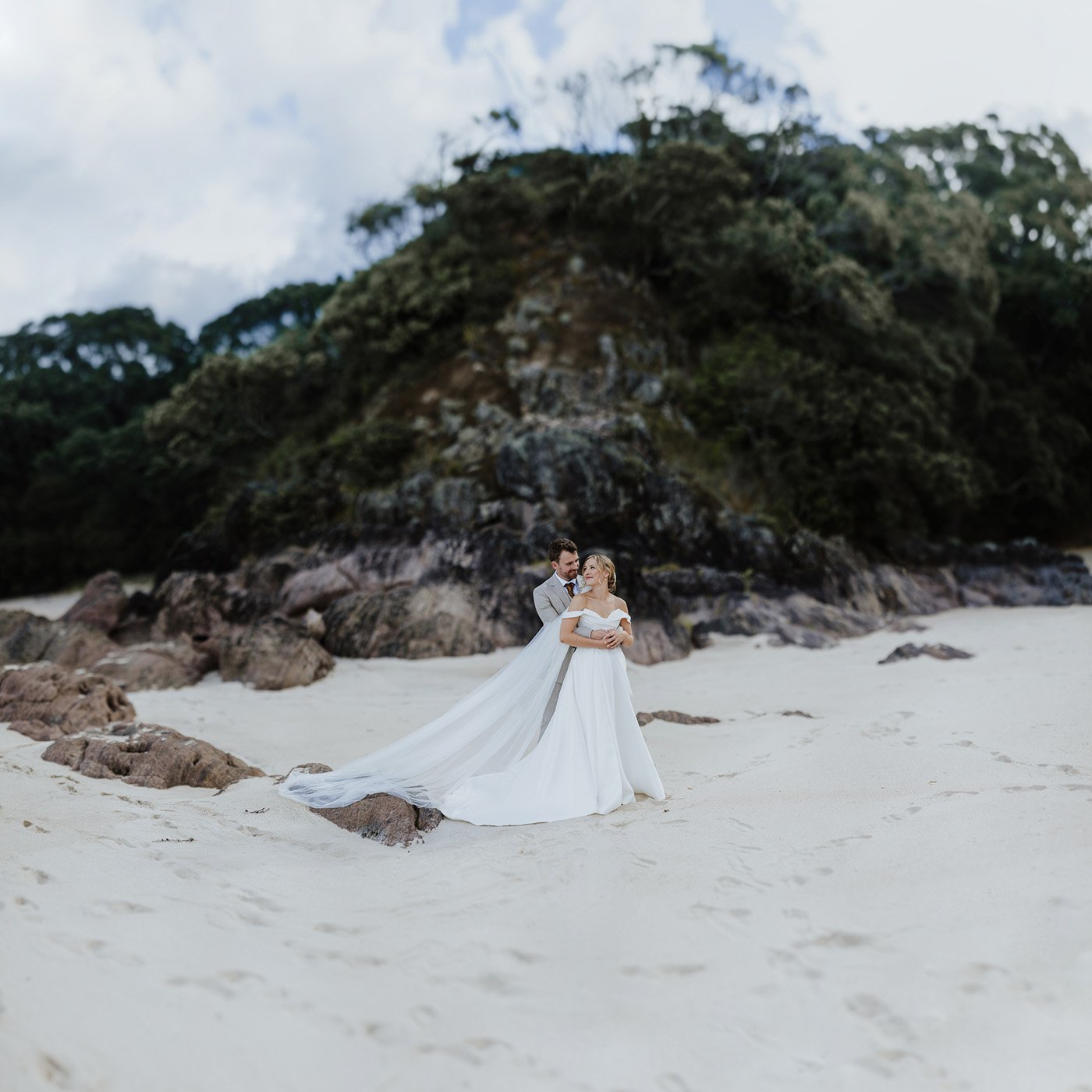
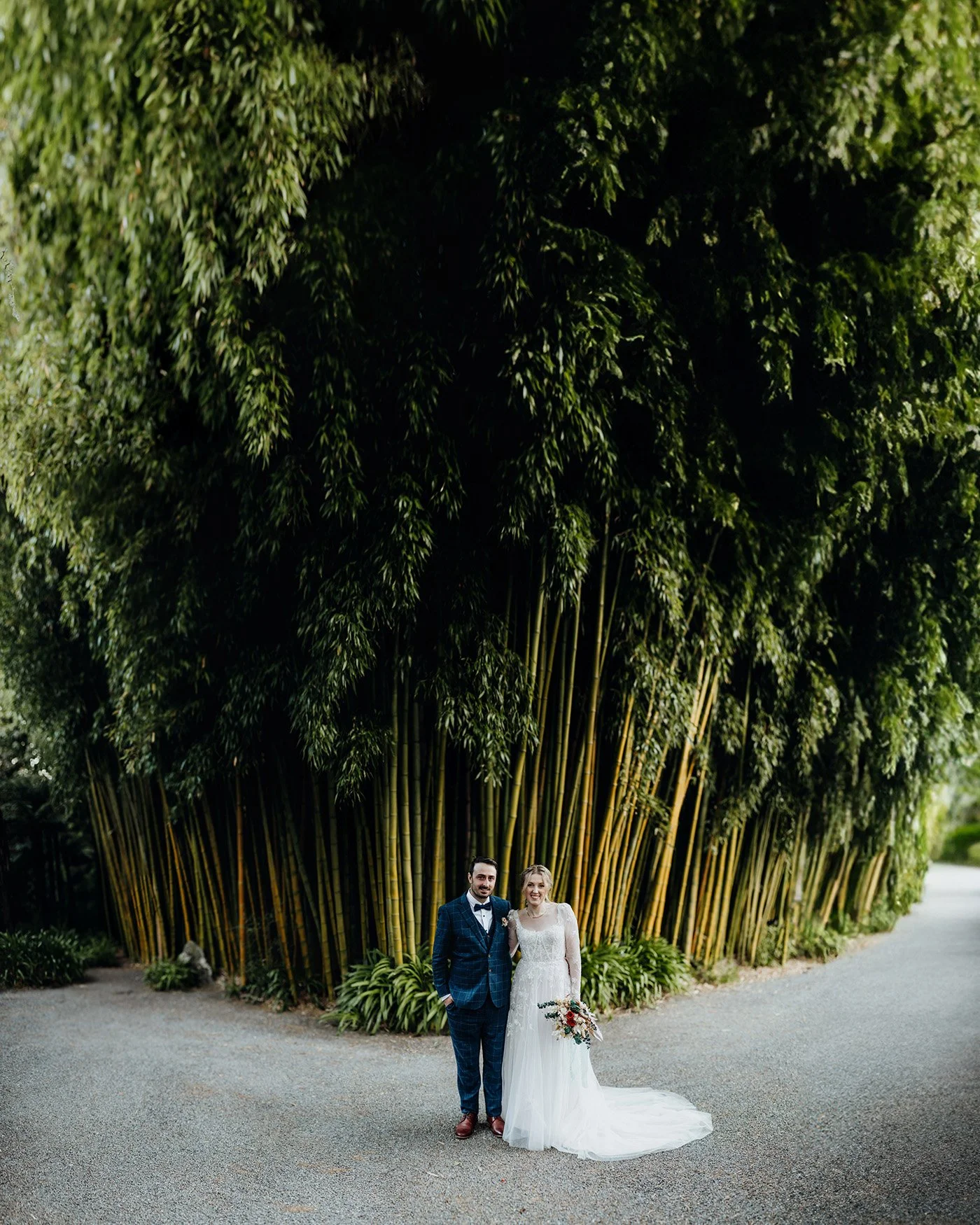
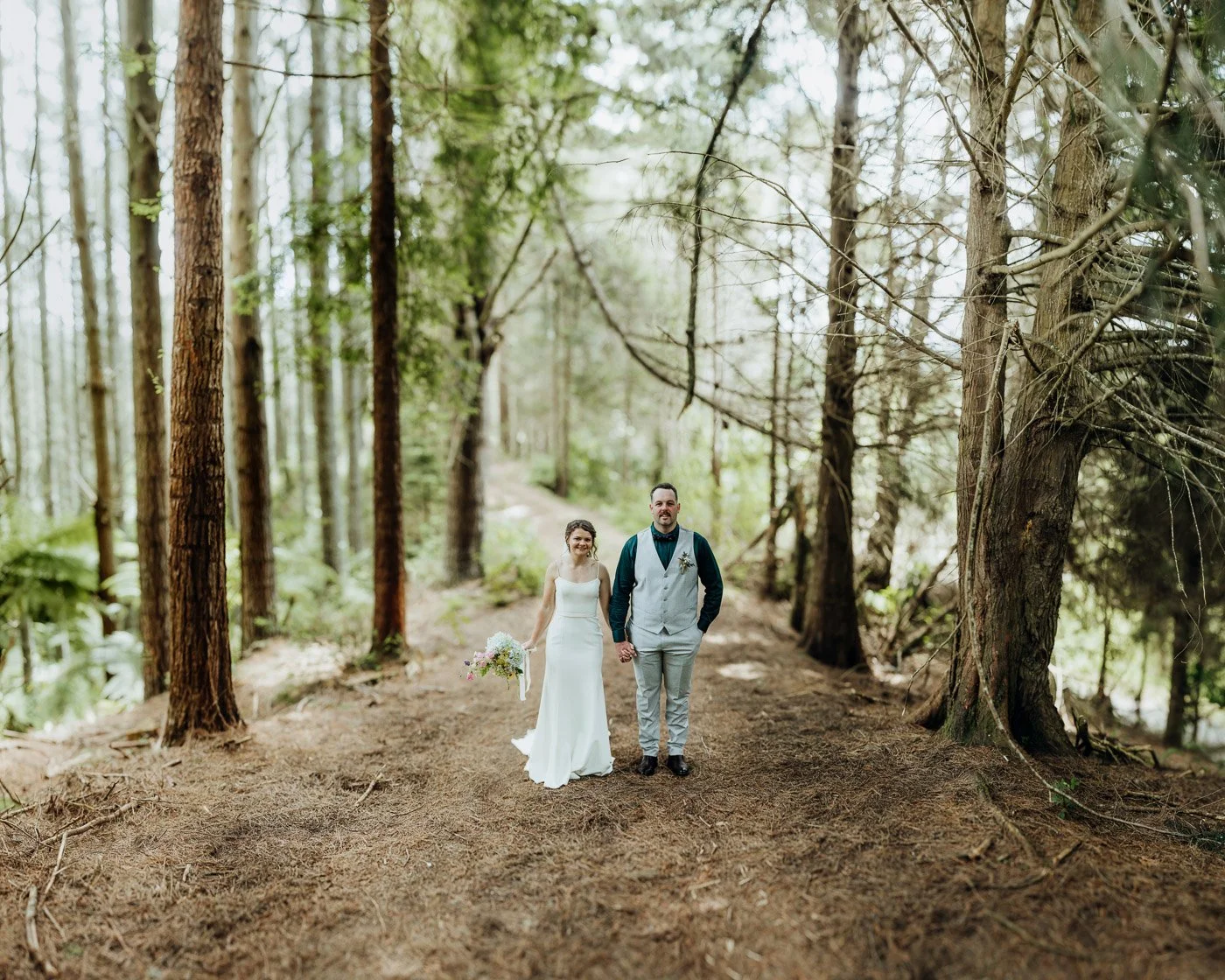
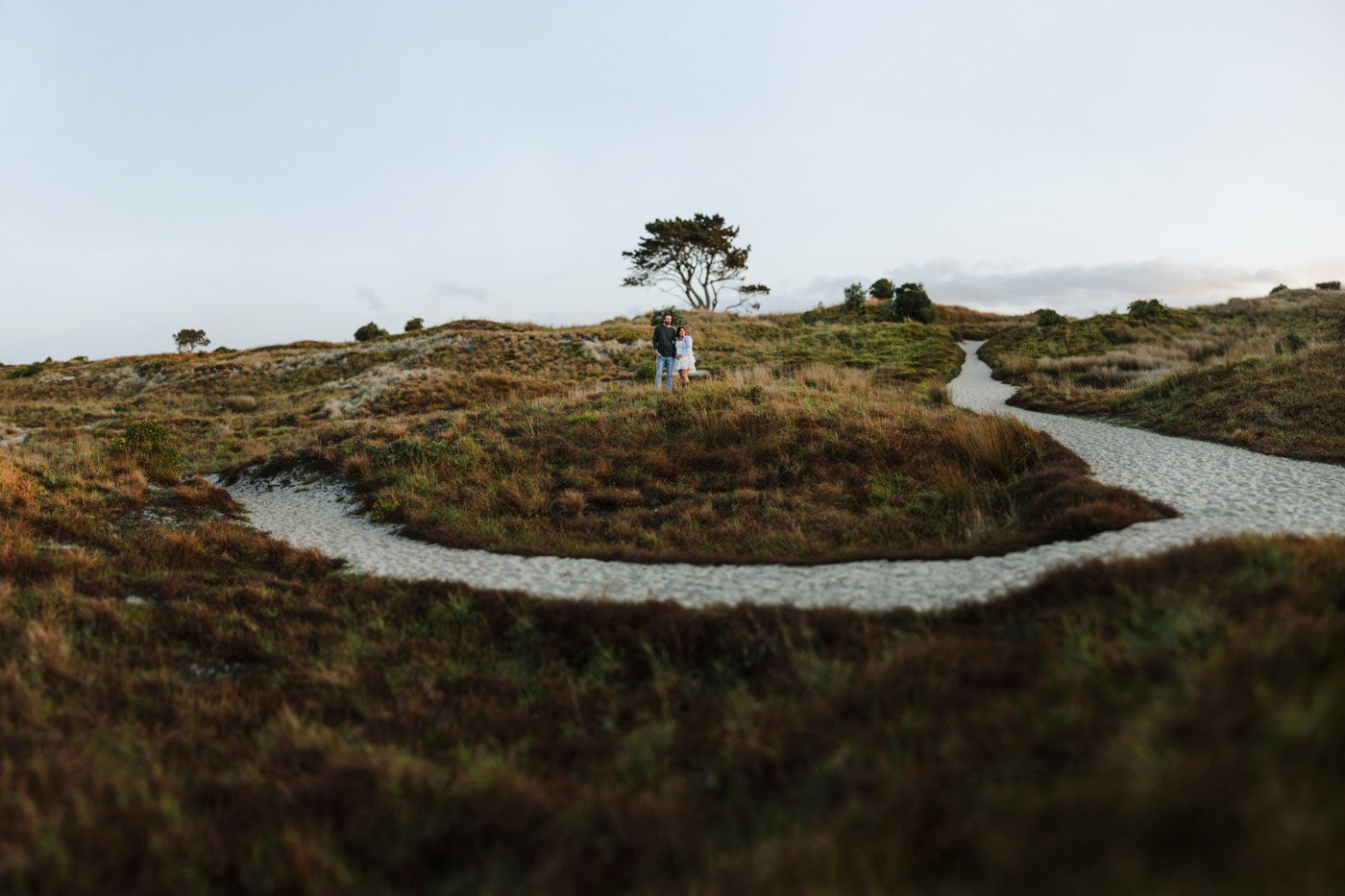
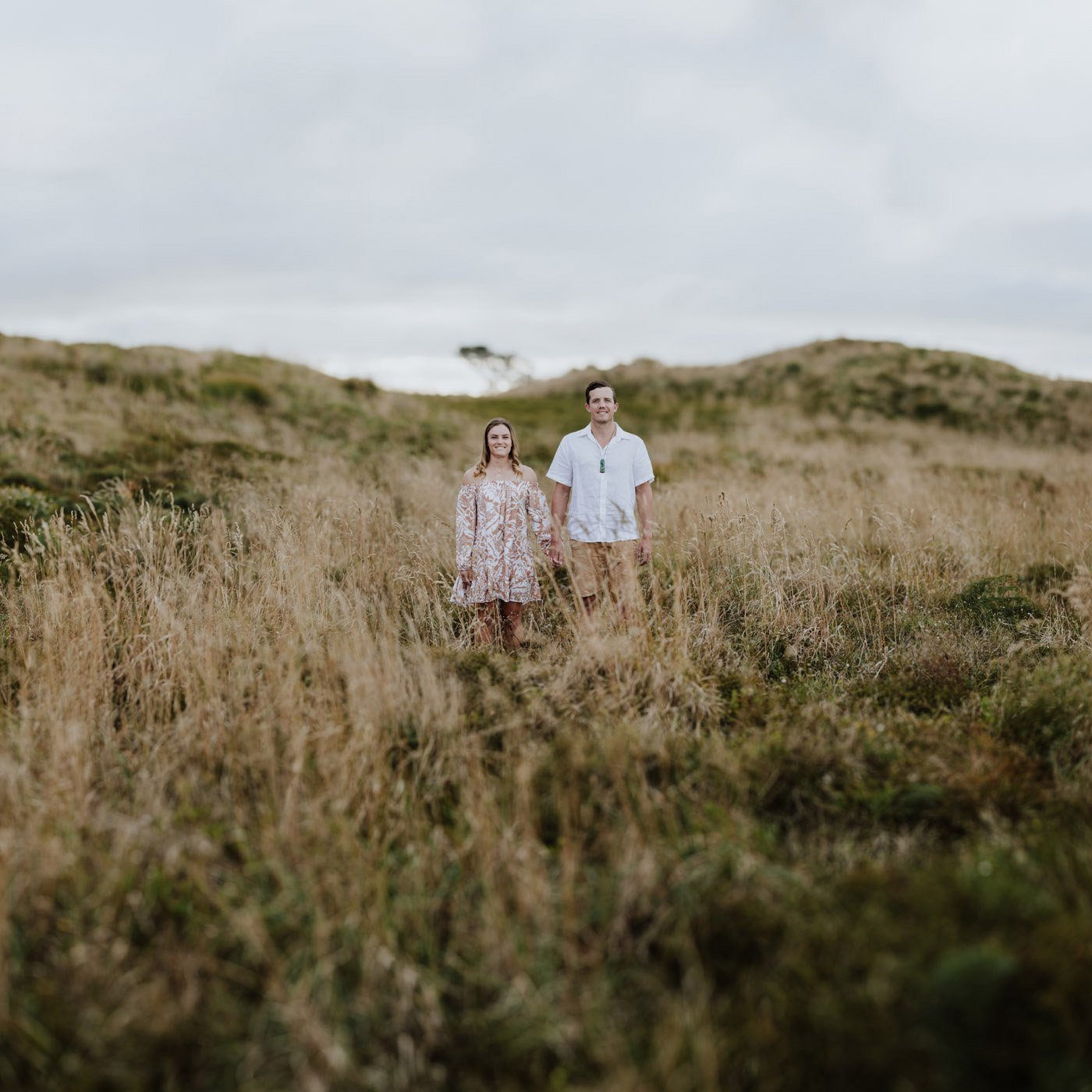
See more Bokeh Panoramas below:
Keywords: Bokeh Panorama photography, Bokeh Panorama wedding photography, Bokehrama photography, Creative wedding photography NZ, Unique wedding photography, New Zealand wedding photographer, Tauranga wedding photographer, Brenizer Method photography, Shallow depth of field photography, Panoramic wedding portraits, Artistic wedding photography, Documentary wedding photography NZ, Creative wedding portraits, Professional wedding photographer NZ, Bay of Plenty wedding photography
